Hypertension, or high blood pressure, is a condition in which the force of the blood against the artery walls is too high. Normal blood pressure is less than 120/80 mmHg (millimeters of mercury). Blood pressure that is consistently higher than 140/90 mmHg is considered high.
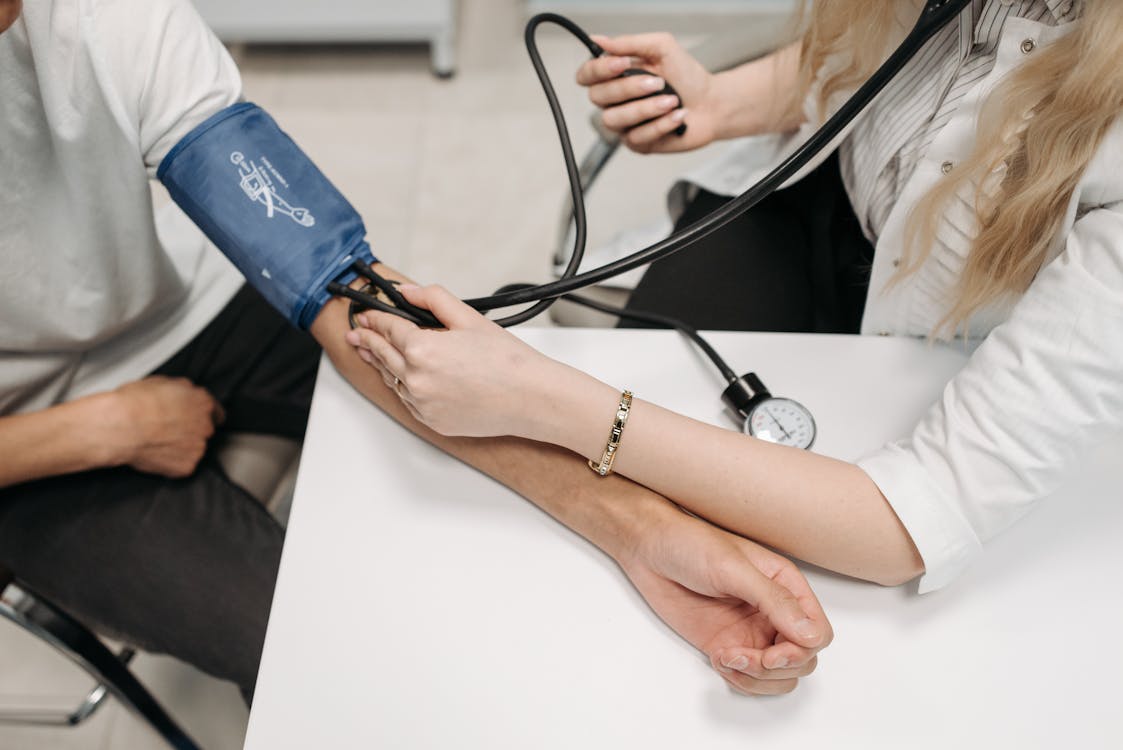
High blood pressure can increase the risk of serious health problems, such as stroke, heart attack, and kidney disease. It is often called the "silent killer" because it often has no symptoms. That's why it is important to have regular blood pressure screenings and to work with a healthcare professional to manage hypertension if it is diagnosed.
Risk factors for hypertension include a family history of the condition, being overweight or obese, having high cholesterol, smoking, and being inactive. Hypertension can be managed through lifestyle changes, such as following a healthy diet, maintaining a healthy weight, exercising regularly, and limiting alcohol consumption, as well as with medication as prescribed by a healthcare professional.
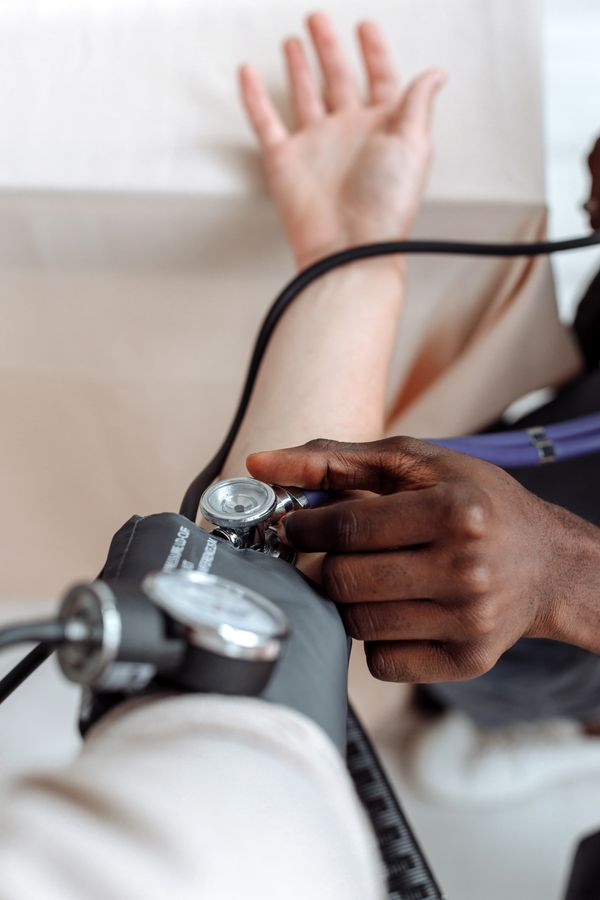
A diet for hypertension, or high blood pressure, should focus on reducing sodium intake, increasing potassium intake, and including a variety of fruits, vegetables, whole grains, and lean proteins. Some specific recommendations for a hypertension diet include:
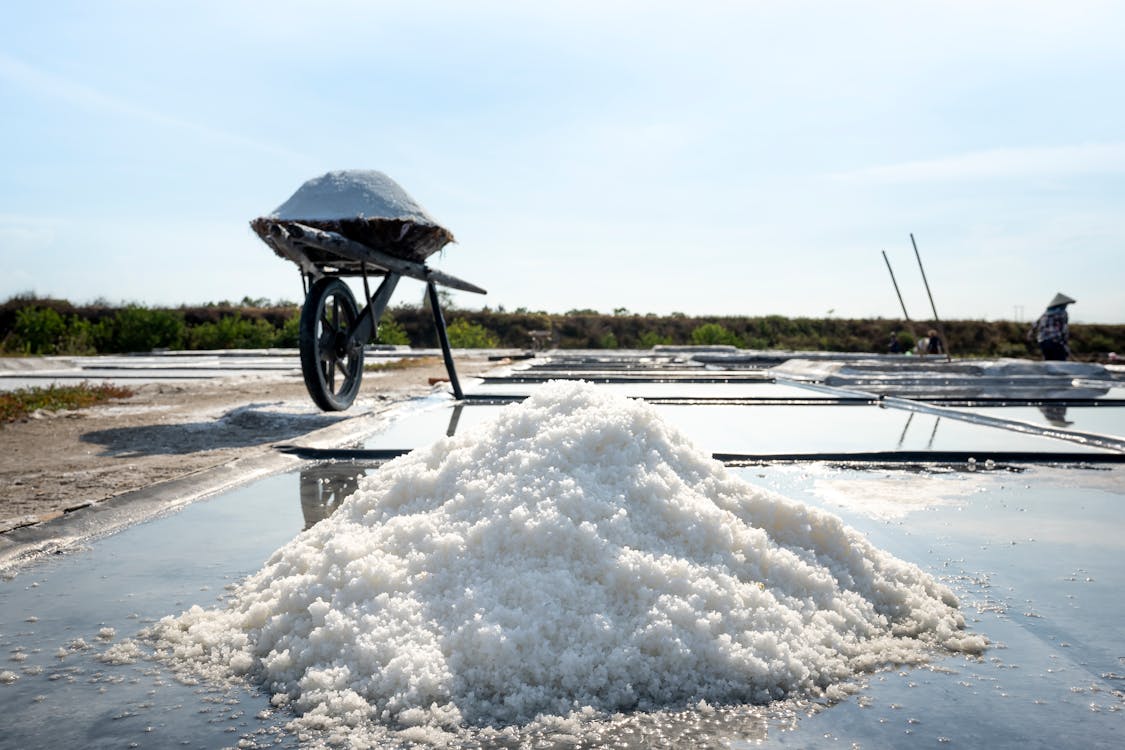
Limit sodium intake to less than 2,300 milligrams per day, or ideally less than 1,500 milligrams per day. This can be achieved by avoiding processed foods and foods high in salt, such as fast food, canned soups and vegetables, and snack foods like chips and pretzel
Increase potassium intake to at least 4,700 milligrams per day. Potassium can help lower blood pressure by balancing out the effects of sodium. Good sources of potassium include bananas, avocados, sweet potatoes, beans, and leafy green
Eat a variety of fruits and vegetables, including berries, citrus fruits, leafy greens, and vegetables like tomatoes, peppers, and eggplant. These foods are high in antioxidants and other nutrients that can help lower blood pressur
Include whole grains like oats, quinoa, and brown rice in your diet. These foods are high in fiber, which can help lower cholesterol levels and improve heart healt
Choose lean proteins like chicken, turkey, fish, and plant-based proteins like tofu, beans, and lentils. These foods are lower in saturated fat, which can help lower cholesterol levels and reduce the risk of heart diseas
It's important to remember that a healthy diet is just one part of managing hypertension. Other lifestyle factors like regular exercise, stress management, and avoiding tobacco and alcohol can also help lower blood pressure. Always consult with a healthcare professional before making any changes to your diet or lifestyle.e.h.e.s.s.or lifestyle
Comments
Post a Comment